DVSA Changes and Other Rules You Might Have Missed This Summer
From driving test changes to new digital licenses, motoring is changing far quicker than many drivers realise.
While there hasn’t been any headline grabbing changes to the Highway Code this year, there are several important rules and regulations that have been introduced, with more set to follow.
Whether you’re helping a learner drive, running an electric vehicle or simply wondering what’s next for motorists, here’s five updates worth knowing about.
1. Driving test bookings have changed
If you’ve got a learner driver in the family, this is one update worth knowing about.
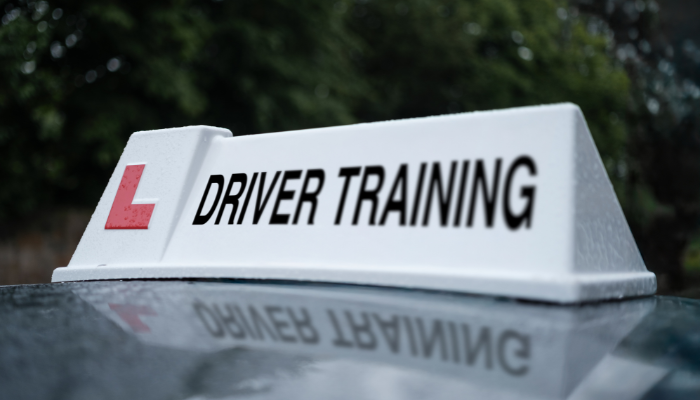
To tackle long wait times and stop automated booking services snapping up available appointments, the Driver and Vehicle Standards Agency (DVSA) have introduced new rules around how learners can book their practical tests.
These new changes include:
- Only the learner being able to book, change, or cancel their test. Instructors and other third-party services are no longer able to do this on their behalf.
- Only 2 changes are permitted to an existing booking, where previously 6 were allowed.
- Learners are only allowed to move their test to one of the three nearest test centres to their original booking centre. This is designed to stop people booking tests hundreds of miles away to secure an earlier appointment before switching later.
The changes are designed to make the booking system fairer, reduce waiting times and ensure more appointments are available for learners who are genuinely ready to take their test.
If your learner is borrowing your car for extra practice, temporary car insurance can be a flexible way to get them covered without adding them permanently to your policy.
Find out how temporary car insurance works for learner drivers.
2. Theory tests are evolving too
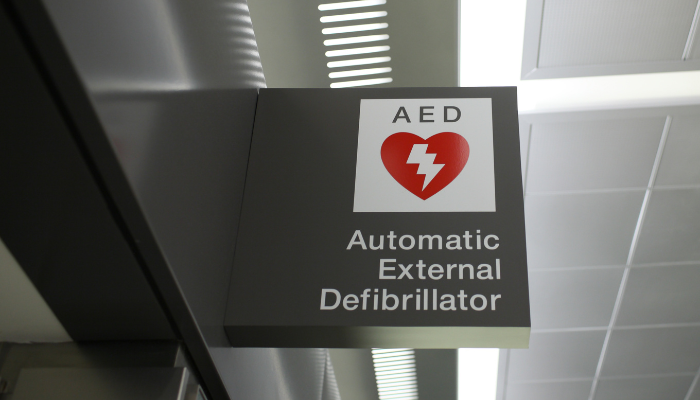
Passing your theory test isn’t just about road signs and stopping distances anymore. The DVSA are planning to introduce a new range of questions covering CPR and the use of Automated External Defibrillators (AEDs), helping the next generation of drivers understand how to respond if they’re on the scene of a serious traffic collision.
While test goers won’t be expected to become medical experts, the changes reflect a growing focus on road safety for inexperienced road users. For anyone preparing to take their theory test this year, it's worth brushing up on these new topics alongside the traditional Highway Code questions.
3. New MOT rules for electric vans
If you drive an electric van, or are thinking of switching to one, there’s another rule worth noting.
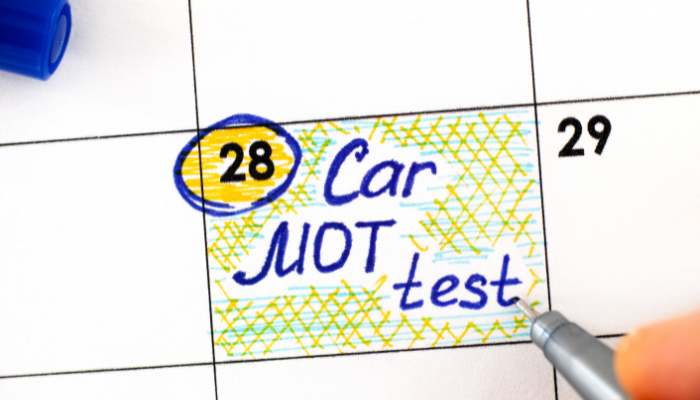
Previously, electric vans weighing between 3.5 and 4.25 tonnes needed their first MOT after just one year because they fell into a different vehicle classification. From this year, many of those vans now follow the same schedule as standard cars and light vans, meaning their first MOT isn't due until they're three years old.
While this won’t affect every driver, it’s good news for anyone who already owns an electric van or is thinking of switching to one.
If your MOT is coming up anytime soon, book it through MotorEasy and save with exclusive discounts.
4. Your driving licence could soon go digital
Perhaps the biggest change on the horizon isn't about how you drive - it's about how you prove you're allowed to.
The Government is developing a digital driving licence that will sit alongside the traditional photocard, allowing motorists to securely store their licence in the new GOV.UK Wallet on their phone.
The aim is to make proving your identity quicker and more convenient when accessing government services or sharing your driving credentials.
There's no need to swap your photocard just yet, but as the rollout gathers pace, it's a change worth keeping an eye on. Digital licences are expected to become a more familiar part of everyday motoring over the coming months and years.

5. Stricter standards for new cars - what this means for buyers
If you're planning to replace your car in the next few years, there's another important change worth keeping on your radar.
The new Euro 7 regulations introduce tougher standards for vehicle manufacturers. Electric vehicles will also be subject to stricter battery durability requirements, helping ensure batteries maintain their performance for longer.
While these changes are designed to make the next generation of vehicles more efficient, they could also make new cars more expensive to produce. If you're deciding whether to buy a new car now or wait, it's another factor worth considering.
And if you're thinking of selling your current car first, checking its value can help you understand what your next move might look like.
Keeping up with the road ahead
From changes to driving tests and MOT rules to the introduction of digital driving licences, motoring is constantly evolving. While not every update will affect your day-to-day driving, staying informed can help you avoid unnecessary surprises and make more confident decisions behind the wheel.
Of course, keeping on top of your car involves more than just knowing the latest regulations. Staying ahead of MOTs, servicing, insurance renewals and important vehicle documents can be just as important.
That's where the MotorEasy Digital Garage comes in. It brings everything together in one place, making it easy to track your vehicle's MOT and service history, manage your policies and keep important motoring information at your fingertips. It's one less thing to think about, leaving you free to enjoy the drive.